PISTON · Volkswagen W12
W12 6.0L
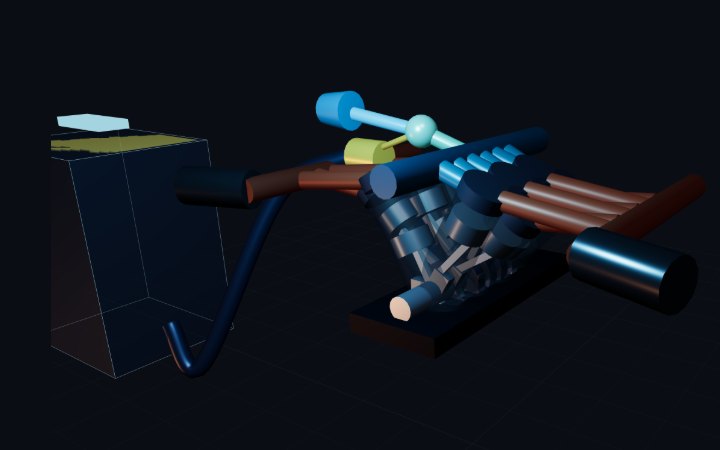
Two narrow-angle banks on one crank: twelve cylinders in the length of a V8.
The real engine
Same bore, stroke, compression ratio and displacement as the Volkswagen W12.
Same layout as the Volkswagen W8 4.0.
12 cyl · 6.0 L · gasoline
 426hp
426hpPeak power
426hp
@ 5,270 rpm
Peak torque
607N·m
@ 4,340 rpm
Displacement
5,998cc
6.0 litres
Redline
6,200rpm
Specifications
- Cylinders
- 12
- Layout
- W
- 72° between banks
- Bore × stroke
- 84.0 × 90.2 mm
- Displacement
- 5,998 cc
- 6.0 litres
- Compression ratio
- 10.8:1
- Conrod length
- 152.0 mm
- Firing order
- 1-12-5-8-3-10-6-7-2-11-4-9
- Cycle
- Four-stroke
- Fuel
- Gasoline, 95 octane
- Induction
- Naturally aspirated
- Idle
- 620 rpm
- Redline
- 6,200 rpm
Check these numbers in the engine displacement calculator, the bore and stroke calculator or the compression ratio calculator, with this engine already filled in.
Measured on the dyno
Every point is a full sweep of this engine in the simulator, not a figure copied off a spec sheet.
What it is
The bore is 84 mm, the stroke 90.2 mm and the compression ratio 10.75:1, which comes to 5,998 cc across twelve cylinders. Those figures match the Volkswagen W12. Nothing else here was copied from one. The torque on the dyno comes out of a Wiebe heat release solved against crank-slider geometry, with the plenum, the runners and the collector filling and emptying around it.
Twelve cylinders fit in the length of a V8 because the banks are narrow. Three cylinders to a row, two rows to a head, and the two heads set at a wide vee: four cylinder rows, two banks, one crank. This preset carries 72 degrees between the bank axes and 15 degrees between the rows inside a bank. Neither figure reaches the torque. The kinematics never ask which row a cylinder sits in, so the layout decides where the runners go and which of the two exhaust manifolds each cylinder fires into.
This one breathes best in the middle of the range. The preset asks for a volumetric efficiency of 1.06 at 5,900 rpm, above 1.0 because a tuned runner fills a cylinder past its own swept volume. It does not get 5,900. The curve generator holds a four-stroke's breathing peak at eight tenths of redline unless the preset lifts that cap, and only the two Formula One engines here do, so the peak lands at 4,960 while the panel still reads 5,900. Idle is 620 rpm, lower than any other spark-ignition engine on the roster.
Things to try
- Pull VE peak from 1.06 toward the 0.97 most of the naturally aspirated roster sits at. It scales the whole torque curve, and the part you are taking out is intake tract rather than swept volume.
- Open Bank angle past 72 degrees and watch the render. The banks swing apart and the runners go with them. The dyno reading does not move, because bank angle never reaches the kinematics.
- Push Redline past 6,200. The breathing peak is pinned to eight tenths of whatever you set, so this is the one way to move the torque peak up: it walks from 4,960 back toward the 5,900 the preset asked for.
Seen in
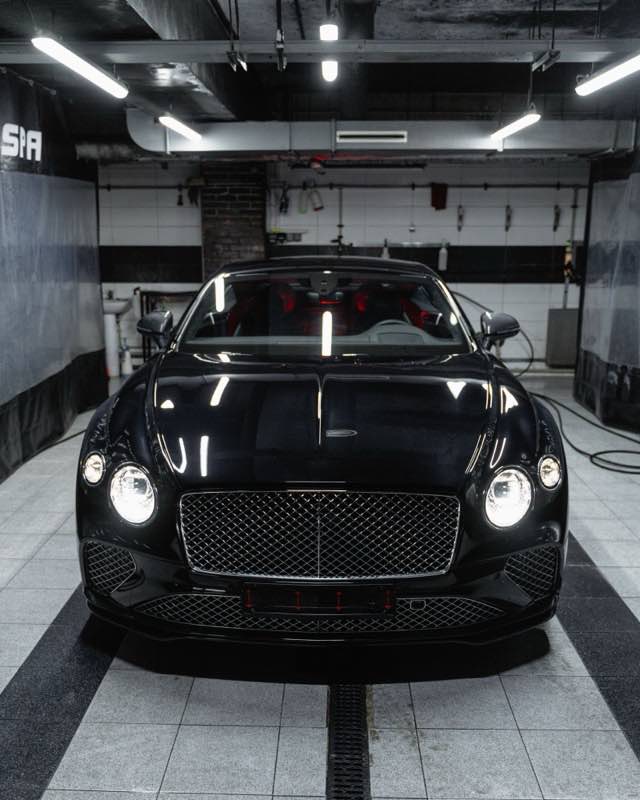
Bentley Continental GT
Runs this engine2003 onward. Bentley's grand tourer across three generations, and the car the six-litre W12 is best known for.
Photo: Tima Miroshnichenko · Pexels
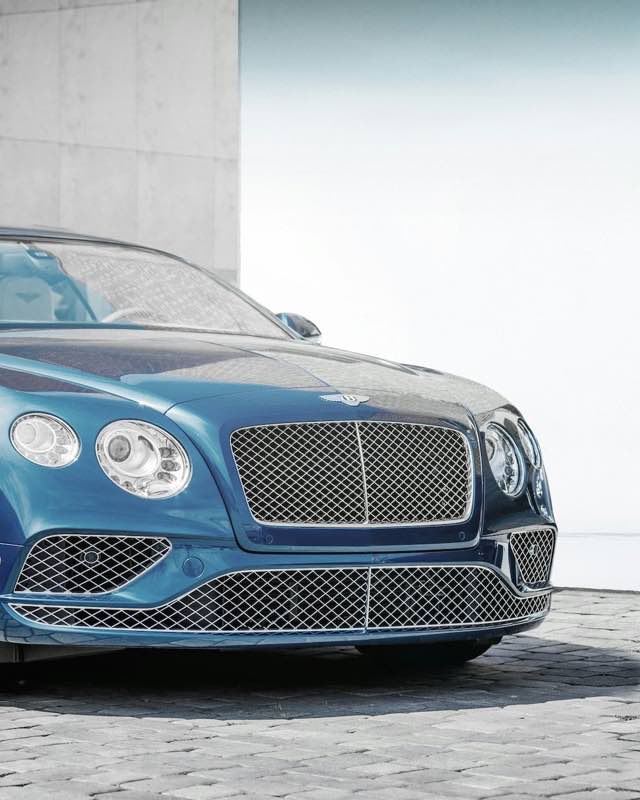
Bentley Continental GT W12
Runs this engineThe second-generation car, wearing the W12 badge Bentley put on the front wing to separate the twelve from the V8.
Photo: C B · Unsplash
More like this
Hear it run
It cranks, idles, revs and knocks in the browser. Nothing to download, nothing to install.