PISTON · Volkswagen VR6 2.8 (AAA)
VR6 2.8L 15°
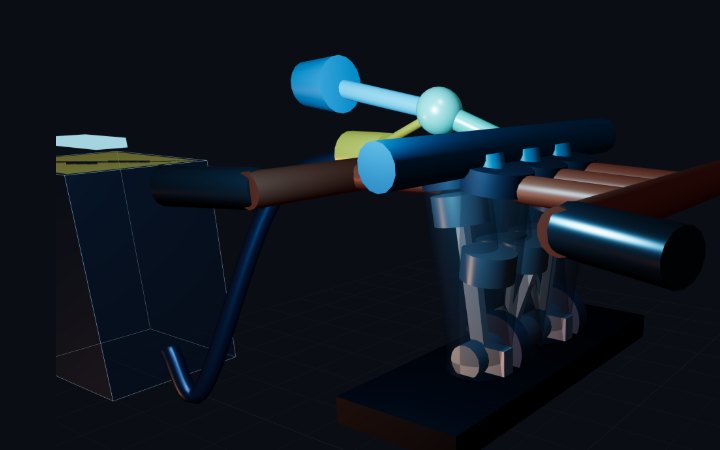
Fifteen degrees between banks, one cylinder head, and a growl all its own.
The real engine
Same bore, vee angle and displacement as the Volkswagen VR6 2.8 (AAA).
Same layout as the Volkswagen R32 VR6.
6 cyl · 2.8 L · gasoline
 153hp
153hpPeak power
153hp
@ 4,600 rpm
Peak torque
252N·m
@ 3,888 rpm
Displacement
2,792cc
2.8 litres
Redline
6,500rpm
Specifications
- Cylinders
- 6
- Layout
- VR
- 15° between banks
- Bore × stroke
- 81.0 × 90.3 mm
- Displacement
- 2,792 cc
- 2.8 litres
- Compression ratio
- 10.0:1
- Conrod length
- 164.0 mm
- Firing order
- 1-5-3-6-2-4
- Cycle
- Four-stroke
- Fuel
- Gasoline, 95 octane
- Induction
- Naturally aspirated
- Idle
- 800 rpm
- Redline
- 6,500 rpm
Check these numbers in the engine displacement calculator, the bore and stroke calculator or the compression ratio calculator, with this engine already filled in.
Measured on the dyno
Every point is a full sweep of this engine in the simulator, not a figure copied off a spec sheet.
What it is
Bore is 81.0 mm, the banks sit 15 degrees apart, and the six cylinders sweep 2,792 cc. Those three figures match the Volkswagen VR6 2.8, engine code AAA. Nothing else here was copied from one. The curve below is solved rather than typed: a Wiebe heat release against crank-slider geometry, stepped 240 times a second, with the plenum, the runners and the collector filling and emptying around it.
Fifteen degrees is the whole idea. The roster's own V6 opens to 60 and carries a cylinder head on each bank. Close the vee far enough and all six bores fit under one casting, which is how a six ends up in a bay built for a four. The sim treats that angle as geometry alone. It spaces phases by firing-order position, so the six fire at even 120 degree intervals in the order 1-5-3-6-2-4, the same order the roster's straight-six runs, and opening the banks changes where the pistons sit and what you see without touching the firing.
Compression is 10.0:1, and that single number sets what boost this engine can take. The fit gate runs the knock chain backwards, from compressor discharge through the intercooler down to the end gas, against what 95 octane tolerates before it lights itself. At 10.0:1 the answer is 1.31 bar absolute. Ask the same question of the 11.0:1 straight-six and you get 1.00, which is no boost at all.
Things to try
- Press FIT TURBOCHARGER and the panel obliges. Now walk Compression up from 10.0: somewhere past 10.5 the same button reads TOO MUCH COMPRESSION FOR BOOST.
- Open ADVANCED and drag VE peak rpm off 4,200 toward the 6,500 redline. The torque peak chases it up the range and the bottom end thins out.
- Take Bank angle from 15 to 90. The render opens into a conventional V and the firing intervals stay at 120 degrees, because phases here come from firing order rather than from where the cylinders sit.
Seen in
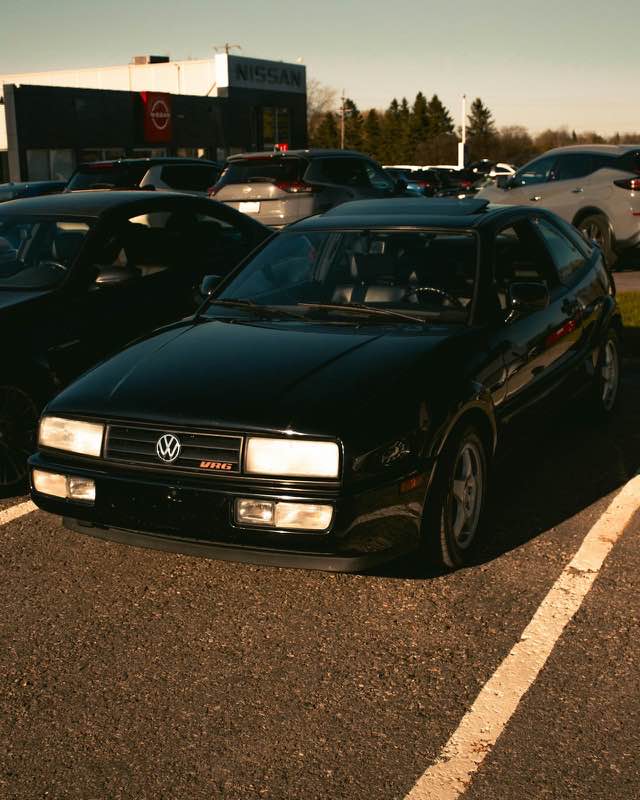
Volkswagen Corrado VR6
Runs this engine1991–1995. The coupe that put the VR6 in front of most people. American cars wore the 2.8 and called it the SLC.
Photo: Aden Heeremans · Unsplash
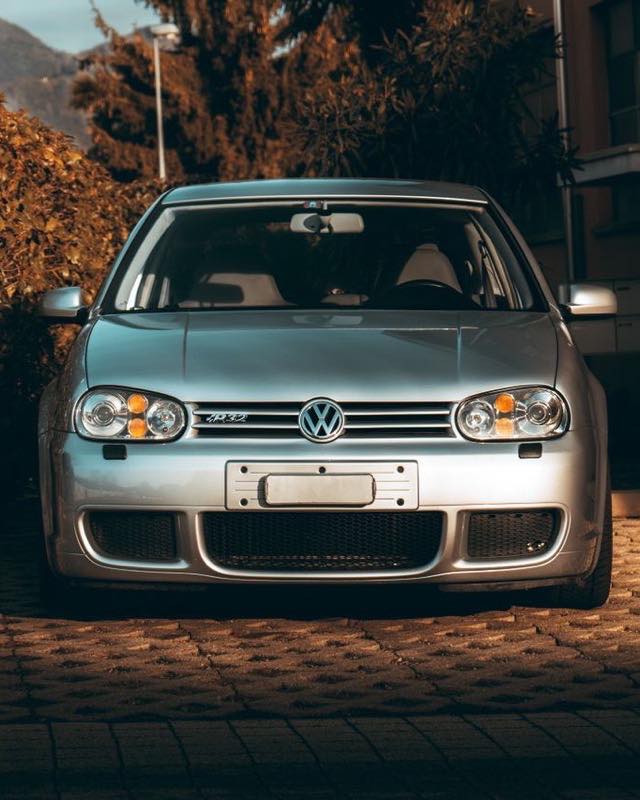
Volkswagen Golf R32 (Mk4)
Same layoutSame layout, later and larger: the VR6 grew to 3.2 litres for the R32 and kept the narrow vee under one head.
Photo: Sevan Mammoli · Pexels
More like this
Hear it run
It cranks, idles, revs and knocks in the browser. Nothing to download, nothing to install.