PISTON · Toyota 2JZ-GTE
Turbo I6 3.0L
Intercooled single turbo on 8.5:1. The classic boosted-six recipe.
The real engine
Same bore, stroke and compression ratio as the Toyota 2JZ-GTE.
Same layout as the Nissan RB26DETT, the BMW N54 and the Ford Barra Turbo.
6 cyl · 3.0 L · gasoline · turbo
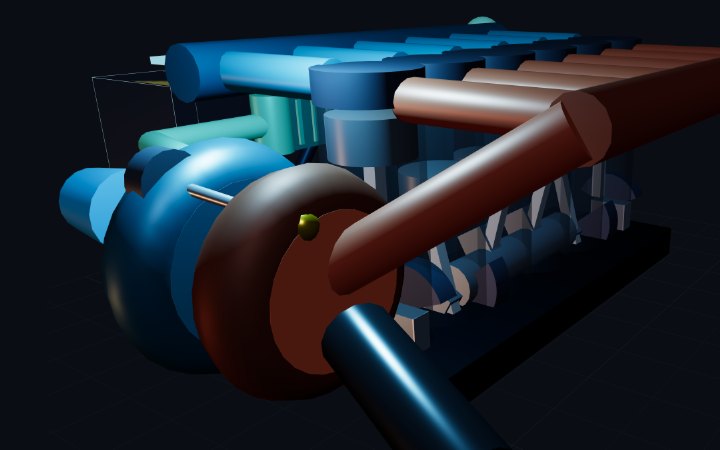 385hp
385hpPeak power
385hp
@ 7,000 rpm
Peak torque
542N·m
@ 4,396 rpm
Displacement
2,997cc
3.0 litres
Redline
7,000rpm
Specifications
- Cylinders
- 6
- Layout
- Inline
- Bore × stroke
- 86.0 × 86.0 mm
- Displacement
- 2,997 cc
- 3.0 litres
- Compression ratio
- 8.5:1
- Conrod length
- 142.5 mm
- Firing order
- 1-5-3-6-2-4
- Cycle
- Four-stroke
- Fuel
- Gasoline, 98 octane
- Induction
- Turbocharged
- 82 mm compressor wheel
- Boost target
- 1.92 bar absolute
- Wastegate spring pressure, so boost creeps above it as flow rises
- Intercooler
- 78% effectiveness
- Idle
- 750 rpm
- Redline
- 7,000 rpm
Check these numbers in the engine displacement calculator, the bore and stroke calculator or the compression ratio calculator, with this engine already filled in.
Measured on the dyno
Every point is a full sweep of this engine in the simulator, not a figure copied off a spec sheet.
What it is
Bore and stroke both measure 86 mm and the compression ratio is 8.5:1. Those three figures match the Toyota 2JZ-GTE. Nothing else here was copied from one. The torque on the dyno comes out of a Wiebe heat release solved against crank-slider geometry 240 times a second, with the plenum, the runners and the collector filling and emptying around it.
A compression ratio that low reads like a typo until you account for the turbo. Boost packs more air into the same swept volume, the charge leaves the compression stroke hotter, and the end gas can light itself ahead of the flame front. Builders buy that margin back by taking compression out. The naturally aspirated straight-six on the roster runs 11.0:1 and never has to.
The compressor wheel is 82 mm across, not the 75 mm three litres would pick on their own. A 75 mm wheel would spend this engine's whole rev range at 89 percent of its tip-speed limit, with nothing in reserve for a transient. The wastegate is a spring and a diaphragm set at 1.92 bar absolute, so boost creeps past that as flow rises instead of stopping flat. An intercooler takes 78 percent of the compressor's temperature rise back out, and the fuel is 98 octane.
Things to try
- Take Compression up toward the 11.0:1 the naturally aspirated six runs. The KNOCK chip arrives well before you get there, and the top of the rev range goes first.
- Pull Intercooler down from 78 percent toward zero. Charge density falls and the knock margin goes with it, which is the entire argument for a big front-mount core.
- Tighten Housing A/R and the turbo spools earlier against more backpressure. Open it up and the engine goes lazy off boost and breathes better at 7,000.
Seen in
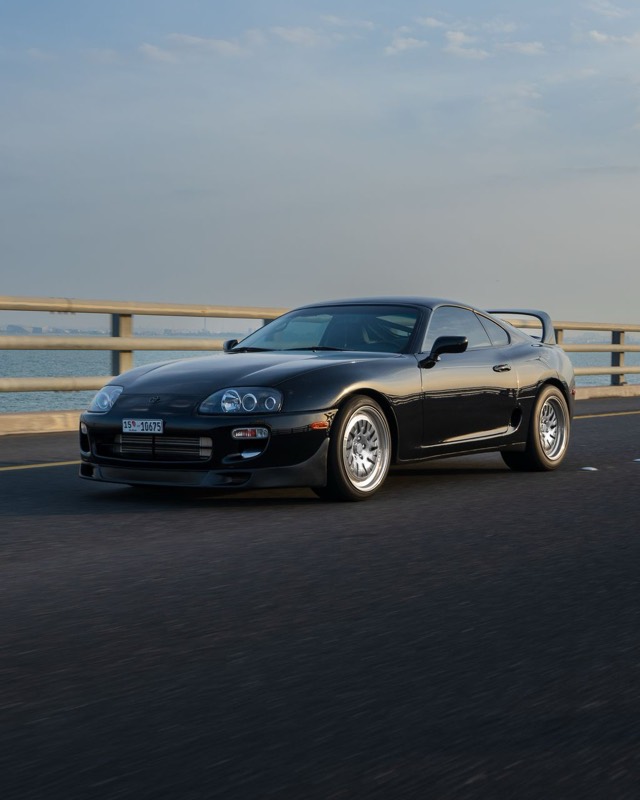
Toyota Supra (JZA80)
Runs this engine1993–2002. The 2JZ-GTE's home: twin sequential turbos from the factory, iron block, the reason the engine is famous.
Photo: Aalsaibaie · Pexels
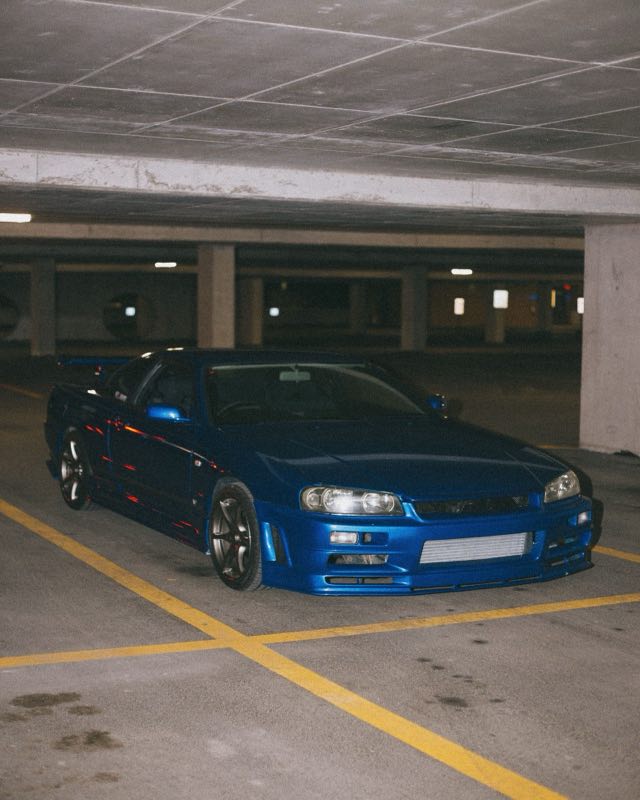
Nissan Skyline GT-R (R34)
Same layoutSame layout, different engine: the RB26DETT is also a 2.6-litre twin-turbo straight-six, and the two are compared endlessly.
Photo: Erik Mclean · Pexels
Variants
Other Inline-6 engines in the simulator.
Naturally aspirated straight-six. The 2JZ-GE shape.
6 cyl · 3.0 L · gasoline
More like this
Hear it run
It cranks, idles, revs and knocks in the browser. Nothing to download, nothing to install.