PISTON · Flat-six
Boxer-6 3.0L
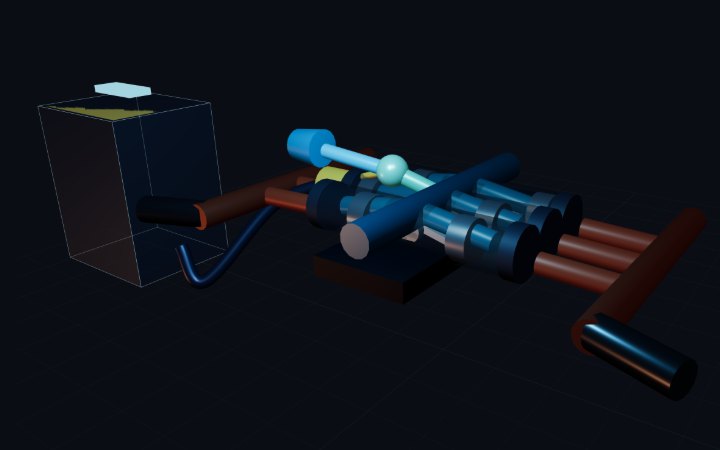
Opposed pistons, a low crank line, and the exhaust note Porsche built a religion on.
The real engine
Same layout as the Porsche 911 flat-six (964/993) and the Subaru EZ30.
6 cyl · 3.0 L · gasoline
 189hp
189hpPeak power
189hp
@ 5,267 rpm
Peak torque
267N·m
@ 4,429 rpm
Displacement
2,981cc
3.0 litres
Redline
7,500rpm
Specifications
- Cylinders
- 6
- Layout
- Flat / boxer
- Bore × stroke
- 91.0 × 76.4 mm
- Displacement
- 2,981 cc
- 3.0 litres
- Compression ratio
- 10.5:1
- Conrod length
- 138.0 mm
- Firing order
- 1-6-2-4-3-5
- Cycle
- Four-stroke
- Fuel
- Gasoline, 95 octane
- Induction
- Naturally aspirated
- Idle
- 800 rpm
- Redline
- 7,500 rpm
Check these numbers in the engine displacement calculator, the bore and stroke calculator or the compression ratio calculator, with this engine already filled in.
Measured on the dyno
Every point is a full sweep of this engine in the simulator, not a figure copied off a spec sheet.
What it is
Bore is 91 mm, stroke 76.4 mm, compression 10.5:1, and six cylinders lie flat at 180 degrees for 2.98 litres. Nothing here was copied from a real flat-six. Porsche used the same layout in the 964 and 993, Subaru sold it as the EZ30, and the architecture is all this preset takes from either. The dyno trace comes out of a Wiebe heat release integrated against crank-slider geometry, cylinder by cylinder, with a lumped intake and exhaust filling and emptying around all six.
Compression of 10.5:1 on 95 RON leaves almost nothing for a compressor. A line under the spec list keeps the arithmetic live: safe to 1.15 bar absolute, and 8.5:1 would allow 2.01. Both fit buttons still work at that ceiling. A supercharger has a hard manifold cap and stops on 1.14. A turbocharger's wastegate is a spring holding a diaphragm, so it runs a standing error above its set point and boost climbs to 1.25, past the ceiling the turbo was sized against.
The short stroke buys the 7,500 rpm redline. Pistons average 19.1 m/s up there, where a 90 mm stroke would run 22.5, and the friction model charges rubbing on piston speed rather than on revolutions. That is why the Friction MEP box reads 1.531 bar and not the 1.25 it carried under the older rpm-only law: the base term had to rise to hold the same curve once the speed terms stopped over-charging a short stroke. Breathing peaks a long way below redline, at 4,900 rpm, and knock goes with it. Sample the knock reading at 60 percent of redline and it shows 0.047. At redline it shows 0.000.
Things to try
- Walk Compression down from 10.5 toward 8.5 and watch the line under the spec list. The safe-boost figure climbs from 1.15 bar to 2.01. That trade is why a factory turbo engine gives compression away.
- Fit the supercharger, hold it at redline, then swap it for the turbocharger. The blower stops dead on 1.14 bar. The turbo climbs to 1.25 and sits there.
- Stretch Stroke from 76.4 mm toward 90. Displacement goes up, and so does mean piston speed, which the friction model bills you for hardest at the top of the rev range.
Seen in
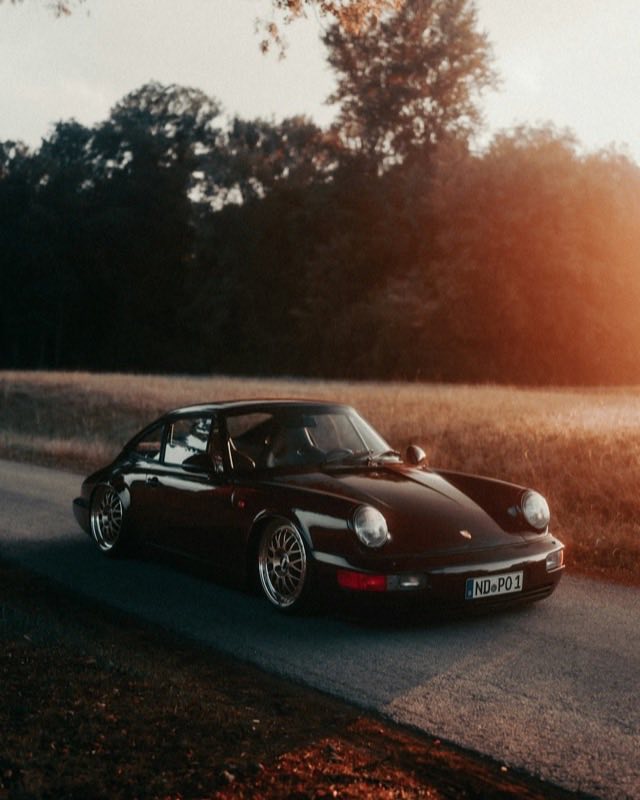
Porsche 911 Carrera (964)
Same layoutSame layout, different engine: 1989 to 1994, the first 911 with body-colour bumpers, and 3.6 litres of air-cooled flat-six hung out behind the rear axle.
Photo: Mike Crawat · Unsplash
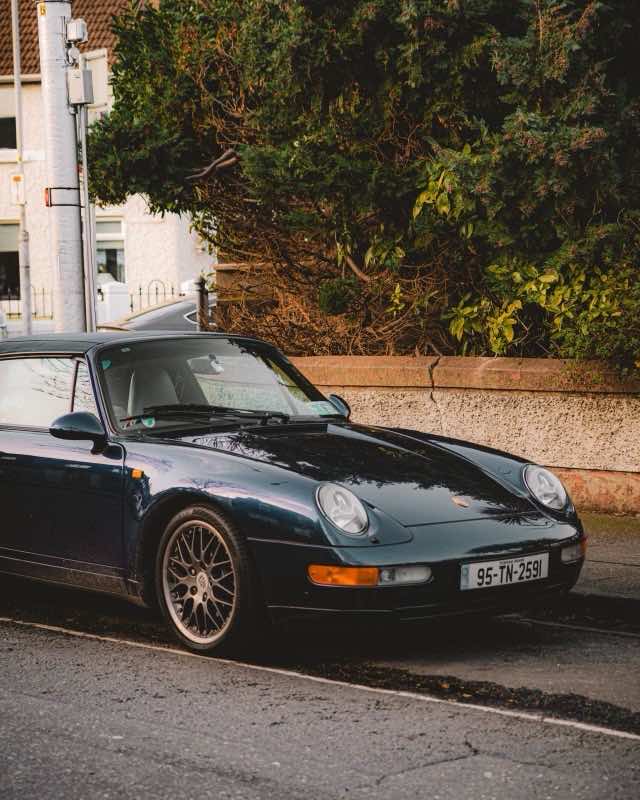
Porsche 911 Carrera (993)
Same layoutThe last air-cooled 911, built 1994 to 1998. Its headlights lie back into the wings, which is how you tell one from the 964 at a glance.
Photo: Selim Karadayı · Pexels
More like this
Hear it run
It cranks, idles, revs and knocks in the browser. Nothing to download, nothing to install.